
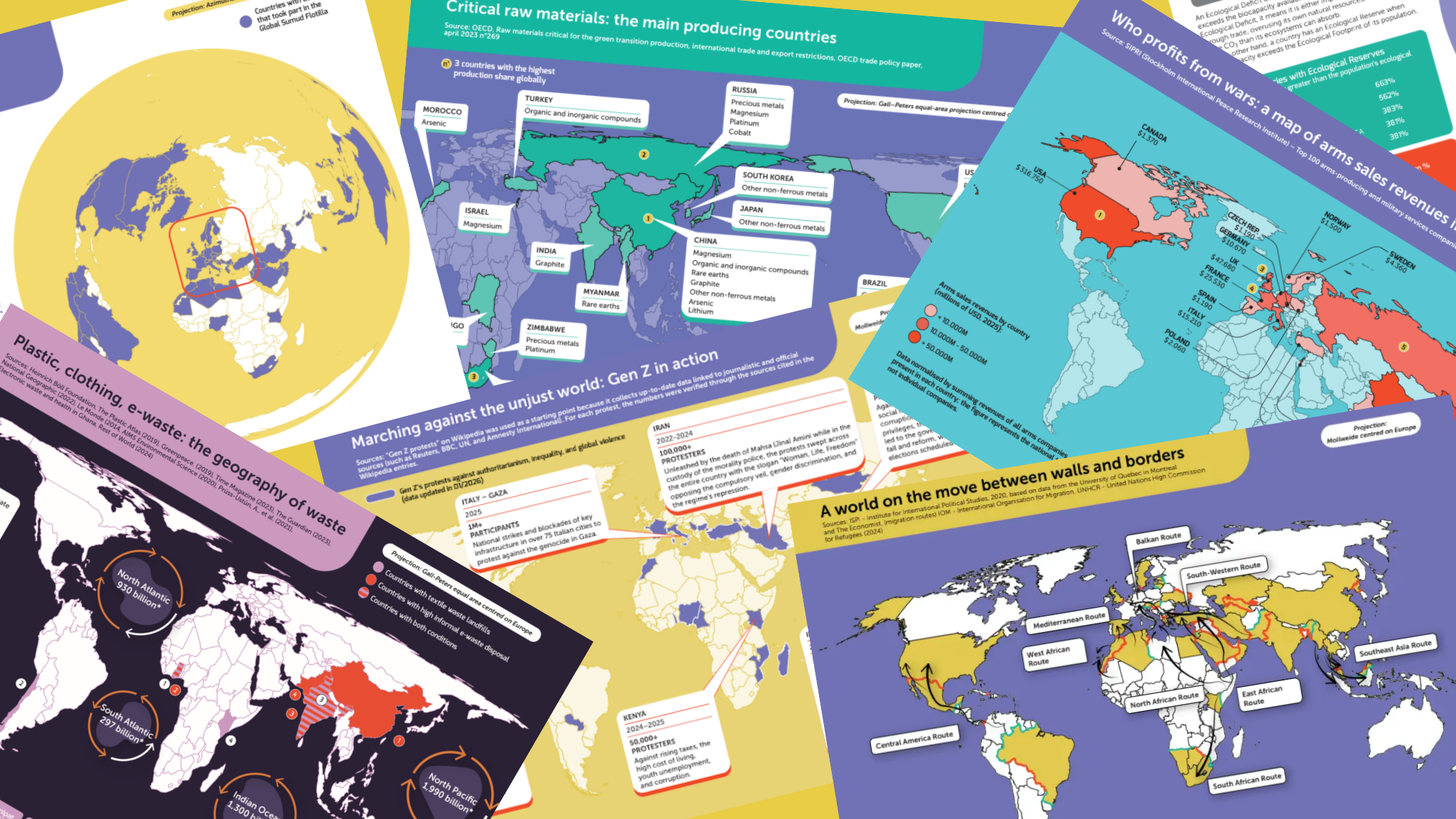
Today GET Italy takes us on a journey to discover the new Global Geography of Social Challenges handbook through the eyes of those who contributed to creating this volume, published by lead partner CISP.
Dino Gavinelli, Chiara Pirovano, and Giulia Tagliente share the genesis of the manual, its innovative aspects, and tips on how to use it in the classroom. You can read the three full interviews on the GET Italia website. If you haven’t checked out the textbook yet, download it for free from our website and bring it into your classroom this school year.
Dino Gavinelli is Full Professor of Geography, former President of the Steering Committee of the School of Language and Cultural Mediation Sciences, and Vice Director of the Department of Language Mediation Sciences and Intercultural Studies at the University of Milan. As part of the GET project, he led the scientific review of the newly published handbook and atlas Global Geography of Social Challenges.
In the Global Geography of Social Challenges handbook, students learn to read a map much like they would a critical text—tracing the root causes of current phenomena and moving away from a mindset based solely on stereotypes. My contribution to the project was focused precisely in this direction: bringing editorial expertise, specifically in cartographic semiotics and communication.
This approach allowed us to convey the concept that a map carries meaningful content connecting a sender and a receiver, much like a poetic or literary work. The textbook is a scientific and educational tool that pays close attention not only to logical-conceptual reasoning but also to iconographic language, which is how most students learn today.
Thanks to this methodology, teachers gain access to a comprehensive teaching tool with an innovative perspective, guaranteed by scientific peer review, which integrates Global Citizenship Education into the curriculum without disrupting standard course planning. Read the full interview with Dino Gavinelli on the GET Italia website
Chiara Pirovano is a Geographer and Professor of Development Geography at the University of Milan. She worked on researching, writing, and creating the textbook and the Italian version of the teacher’s guide.
Personally, in researching and drafting the text, I focused on connecting the handbook‘s six chapters—dedicated to six global challenges: International Inequalities; Nature, Environment, and Food; Waste, Pollution, and Climate Change; Gender Inequalities; Migration; and Military and Social Conflicts and Activism—with the daily lives of young people.
Starting with detailed explanations of each issue, every chapter illustrates why the topic matters and what we, as active citizens, can do to address it. This approach aims to provide a positive, empowering perspective that avoids frustration and demotivation regarding current global challenges. We then selected the most representative aspects of these global issues and integrated them into thematic maps.
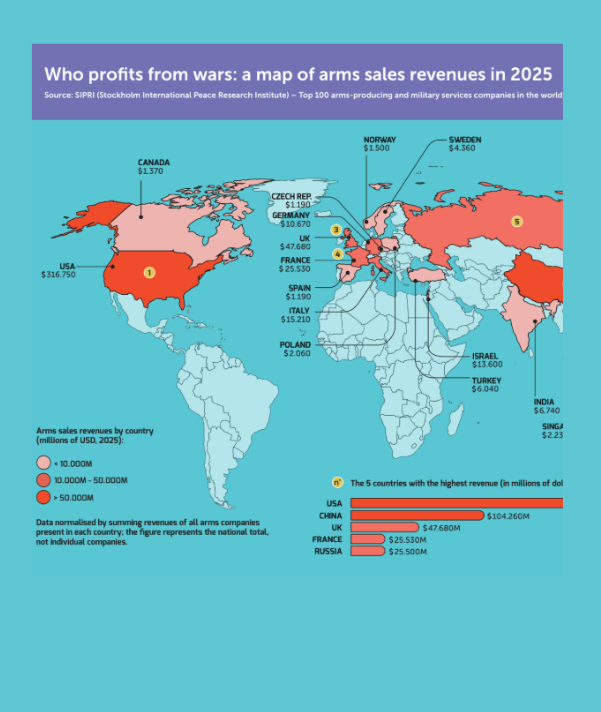
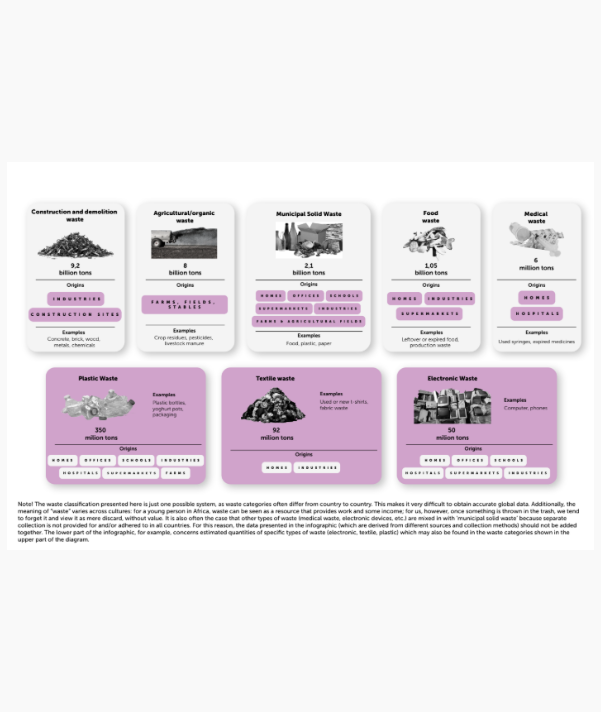
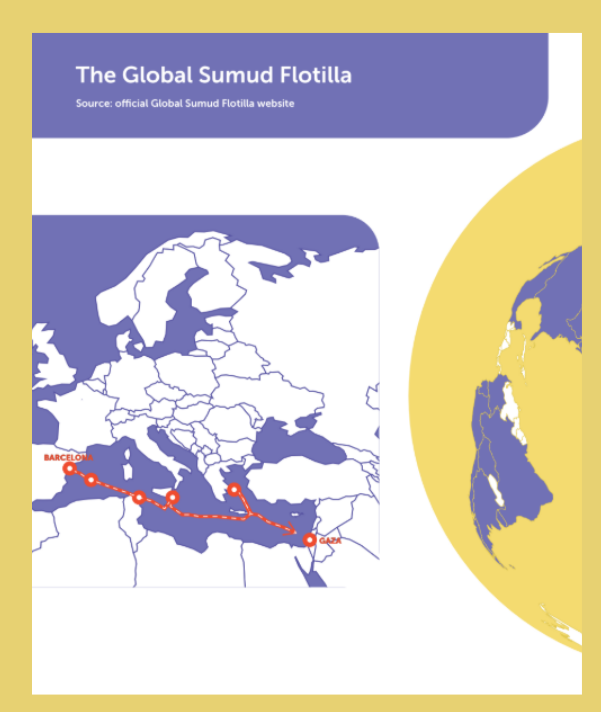
For each map, we provided guidelines to help students read and interpret the data effectively. Finally, we identified additional educational resources (ranging from books and films to field experiences) to further explore each topic. The textbook serves as an educational tool to support Global Citizenship Education (GCE).
It is an original concept designed to respond to the educational and instructional needs of today’s world. Its guiding principles are a coherent narrative, a global—decentralized and non-Eurocentric—perspective, and an integrated geographical and cartographic approach. In this context, the role of teachers and educators is crucial in transmitting knowledge, understanding, and above all, a desire and commitment for change. The textbook aims to be a tool in this direction by first helping students understand how historical inequalities form a key framework for interpreting today’s world, while encouraging activism to act individually and collectively toward a fairer world.
Find the full interview with Chiara Pirovano on the GET Italia website.
Giulia Tagliente is an information designer specializing in data visualization and cartography. She curated the cartographic section and visual narrative—one of the handbook’s most original and engaging features.
To tackle such complex topics, we chose to build a genuine geographical narrative. Each chapter includes a sequence of maps and visualizations that guide students in discovering the historical causes and contemporary dynamics of a given global challenge.
Every map tells a specific aspect of the phenomenon, contributing to a broad and nuanced picture. The goal was not simply to display data, but to help readers develop a critical perspective on the world, understanding the connections between places, people, and global processes. Every visualization is also accompanied by reading and interpretation tools that guide students through observing, asking questions, and formulating personal reflections. Rather than providing closed answers, our intention was to create tools capable of generating new questions, because a deeper understanding of complexity often starts with a good question.
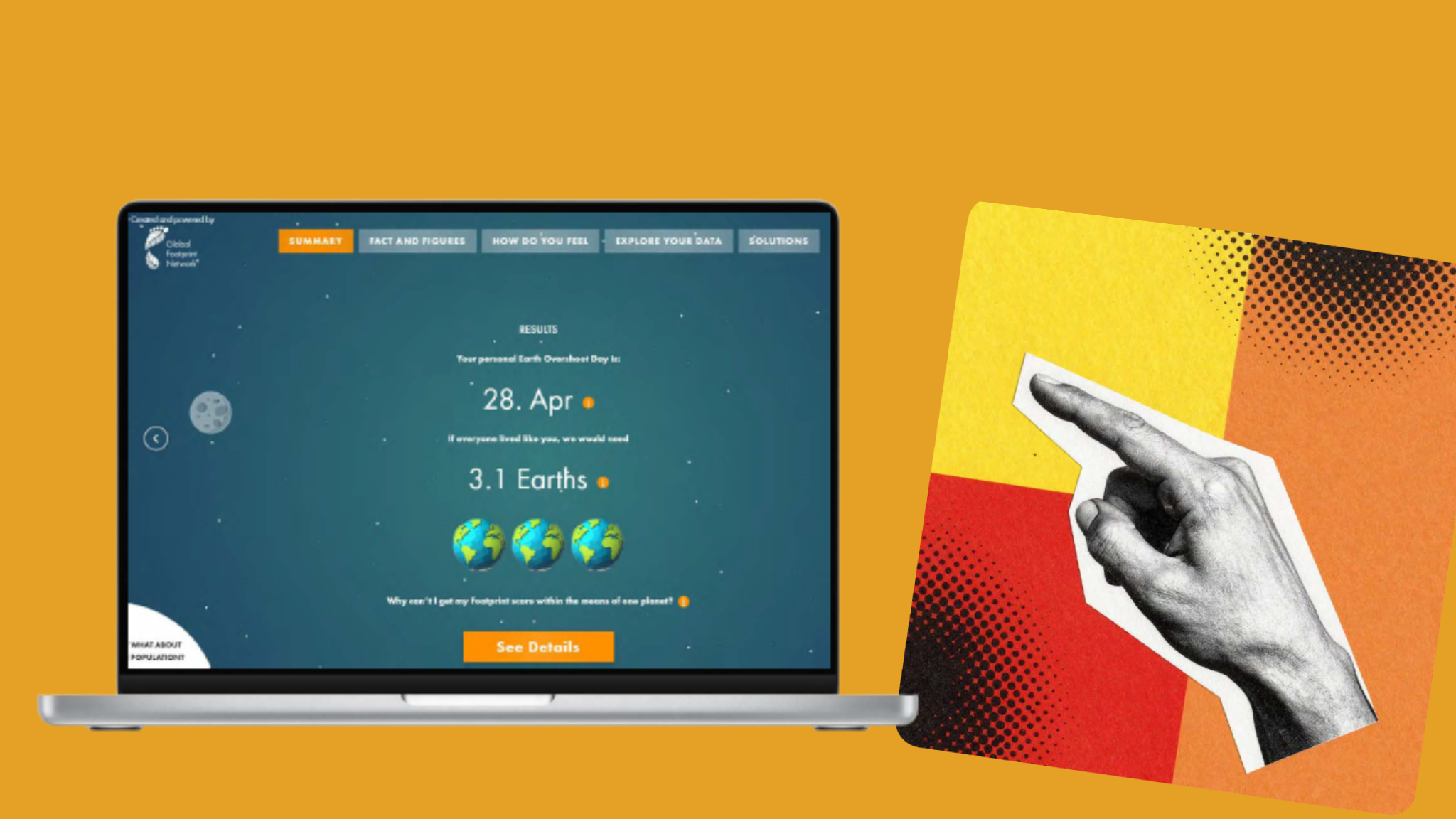
Special attention was given to designing the textbook as a reading experience tailored for teenage students. We tried to bring the book’s language closer to that of the digital environments young people interact with daily, applying User Interface (UI) design principles to an editorial product. For this reason, a horizontal layout was chosen, facilitating both print reading and digital viewing via tablets or interactive whiteboards.
Certain graphic design choices draw direct inspiration from contemporary digital languages. Emojis serve as small orientation and recognition markers, while exercises and deep dives were designed based on digital interfaces: boxes, visual callouts, and info windows accompany the reading like small “guides” along the path, helping students recognize, explore, and delve into different levels of content.
Discover the three interviews in the news section of the GET Italia website, and download the maps and the handbook in English. The book will soon be available in more languages: check out our news feed and social media for the updates.
