
How can global topics be connected with everyday teaching? How can we help students not only understand the world around them, but also develop the competences they need to actively engage with it? And how can we make use of the new opportunities offered by the revised curriculum? These were some of the questions explored at the conference Learning about Global Connections XII – From Topics to Competences, organised by the GET project in Czechia at the end of August 2026.
Teachers and other education professionals came together in Olomouc to look for ways to help children and young people better understand our interconnected and rapidly changing world – and, above all, to give them space to make a difference themselves. The day was filled with inspiration, practical experiences, sharing and new ideas for the beginning of the school year.
The conference opened with a session by Jakub Svoboda from the Czech Ministry of Education, Youth and Sports focusing on competence-based education as a pathway to education for all. Jakub drew on his own professional experience and on how his perspective on the Czech education system has gradually changed through his work. Each of us sees education through our own professional story – shaped by what we have experienced ourselves, the students we work with, the school we teach at and the region we live in.
Our experiences matter. But they are not the whole story of Czech education. Jakub therefore explored the journey from personal stories to data and invited participants to share specific situations from their own practice. Together, they looked at where their experiences overlap and where they differ.
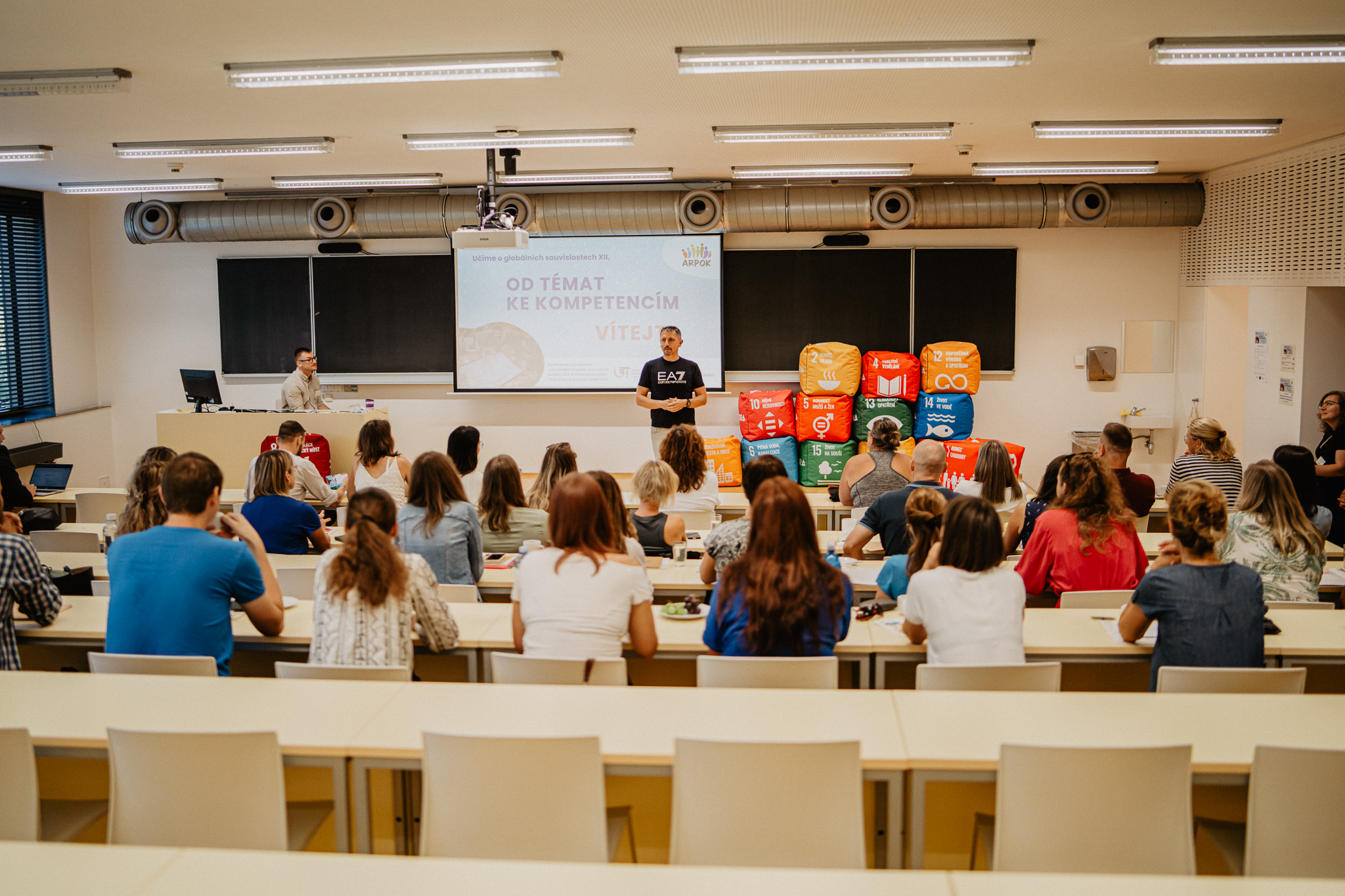
An important message was that when thinking about the education system, we need to complement our personal experiences with data. According to him, competence-based education offers a way to respond to the diverse experiences and needs of students while remaining part of a coherent education system.
This approach does not set competences against knowledge. Rather, it asks whether children are able to use their knowledge, skills, attitudes and values when making decisions, working with others and dealing with different situations. This naturally connected the topic of competences with the central theme of the conference – the journey from topics to competences.
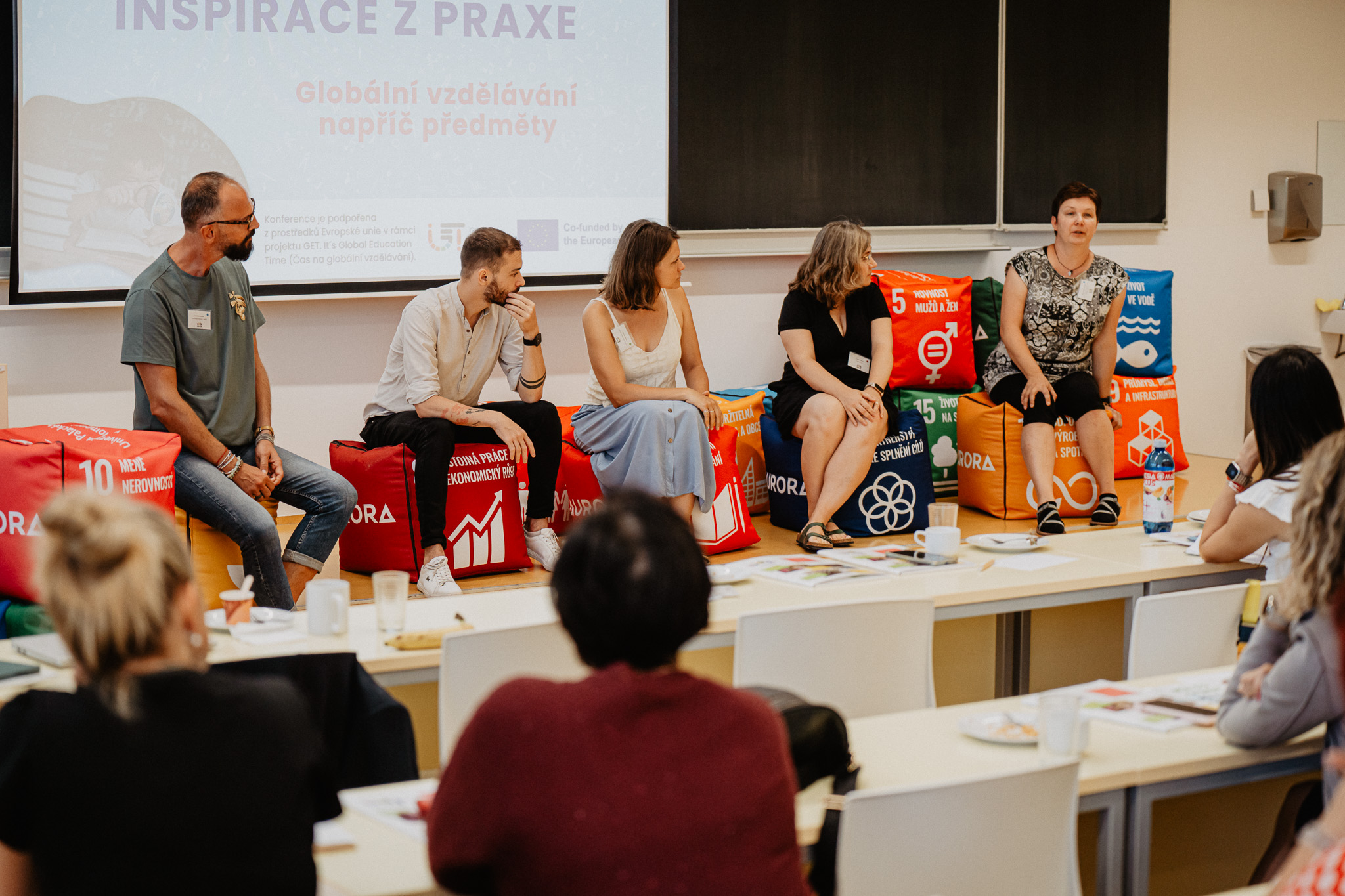
The afternoon session, Inspiration from Practice – Global Education across Subjects, showed that global education does not have to be a separate topic or “something extra”. On the contrary, it can naturally become part of different subjects and areas of learning. Most importantly, GCE can give students the opportunity to use what they learn at school when thinking about real-life situations and questions facing the world today.
Teachers from different levels of education shared their experiences.
And Lenka Pánková from the GET partner ARPOK presented ways in which global education can contribute to achieving the expected learning outcomes of the newly revised Czech curriculum for primary education.
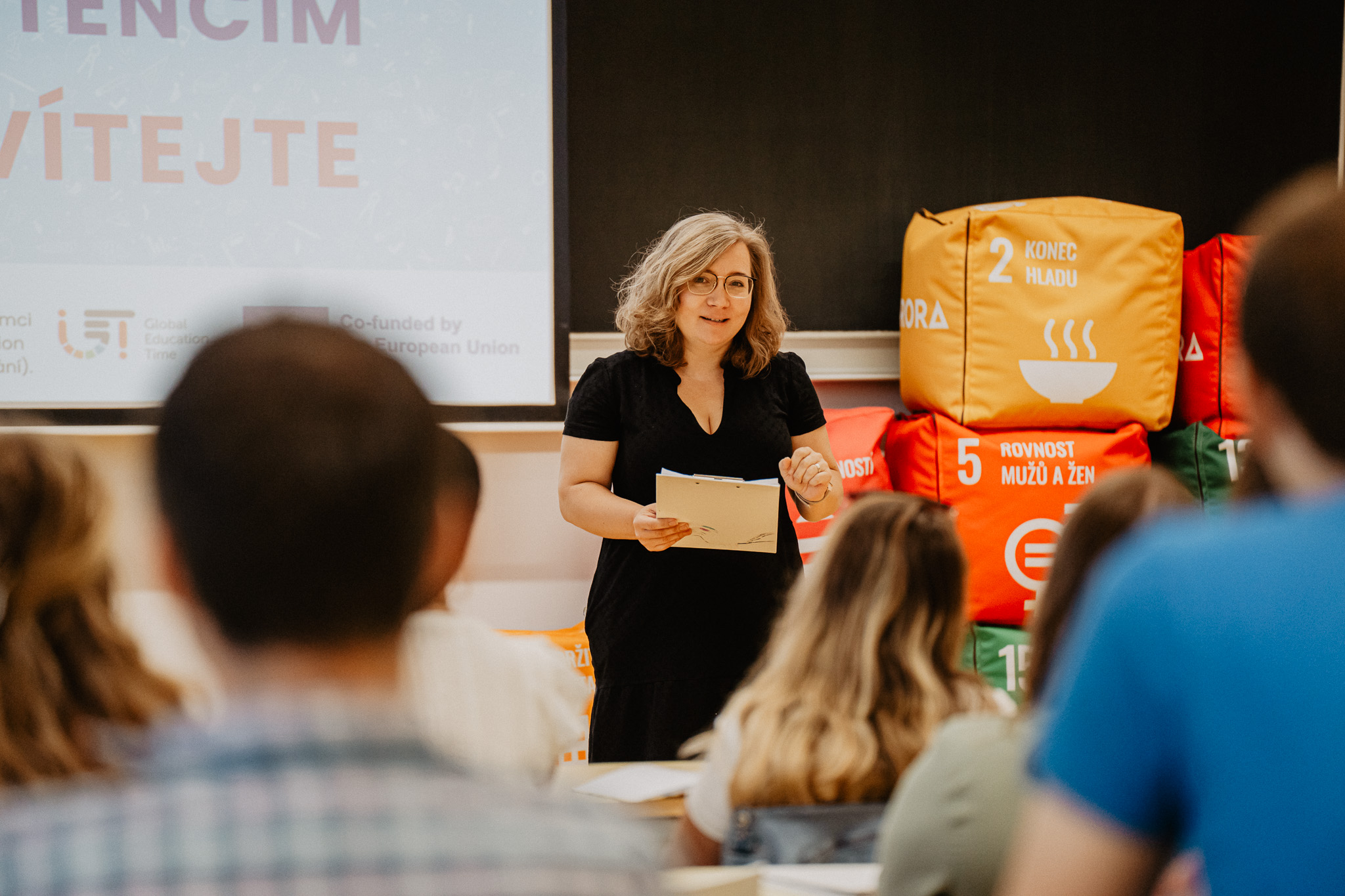

Across all speakers’ presentations, the idea that Global Citizenship Education does not have to introduce additional, isolated topics into schools emerged with clarity: GCE can be a way of connecting existing learning with the real world while developing skills and competences that students can use beyond the classroom.
Connecting Global Education with school curricula is one of the main goals of the GET project. Explore and download all the educational resources developed by GET partners across Europe to bring global issues into your classroom!
Photo credits: Jakub Wittka.
