News

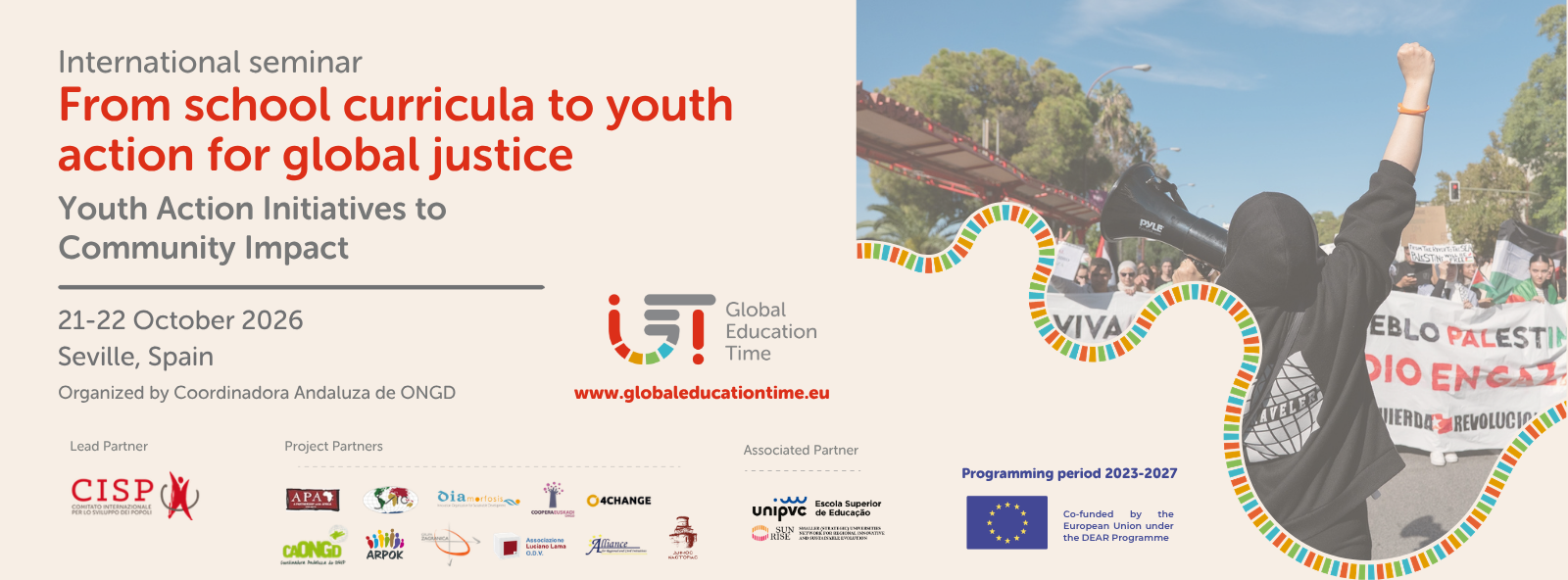
On 21 and 22 October, Seville will host the GET international seminar “From the School Curriculum to Youth Action for Global Justice: Youth Action Initiatives for Generating Community Impact”. The event will focus on young people as agents of change, highlighting their capacity to drive meaningful community impact. It will also explore how to connect educational work in schools with youth participation and action for global justice.

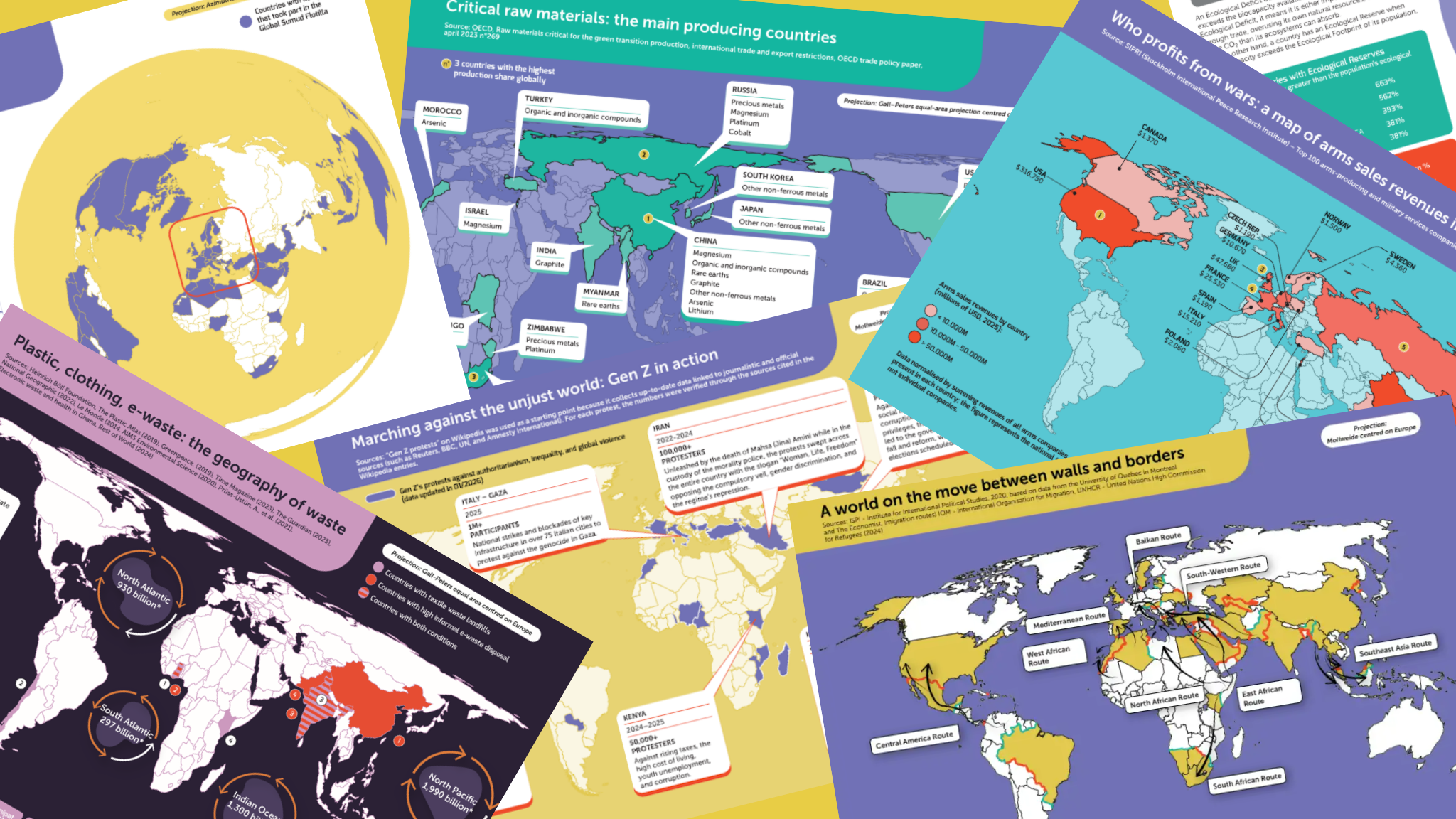
Today GET Italy takes us on a journey to discover the new Global Geography of Social Challenges handbook through the eyes of those who contributed to creating this volume, published by lead partner CISP. Dino Gavinelli, Chiara Pirovano, and Giulia Tagliente share the genesis of the manual, its innovative aspects, and tips on how to use it in the classroom.

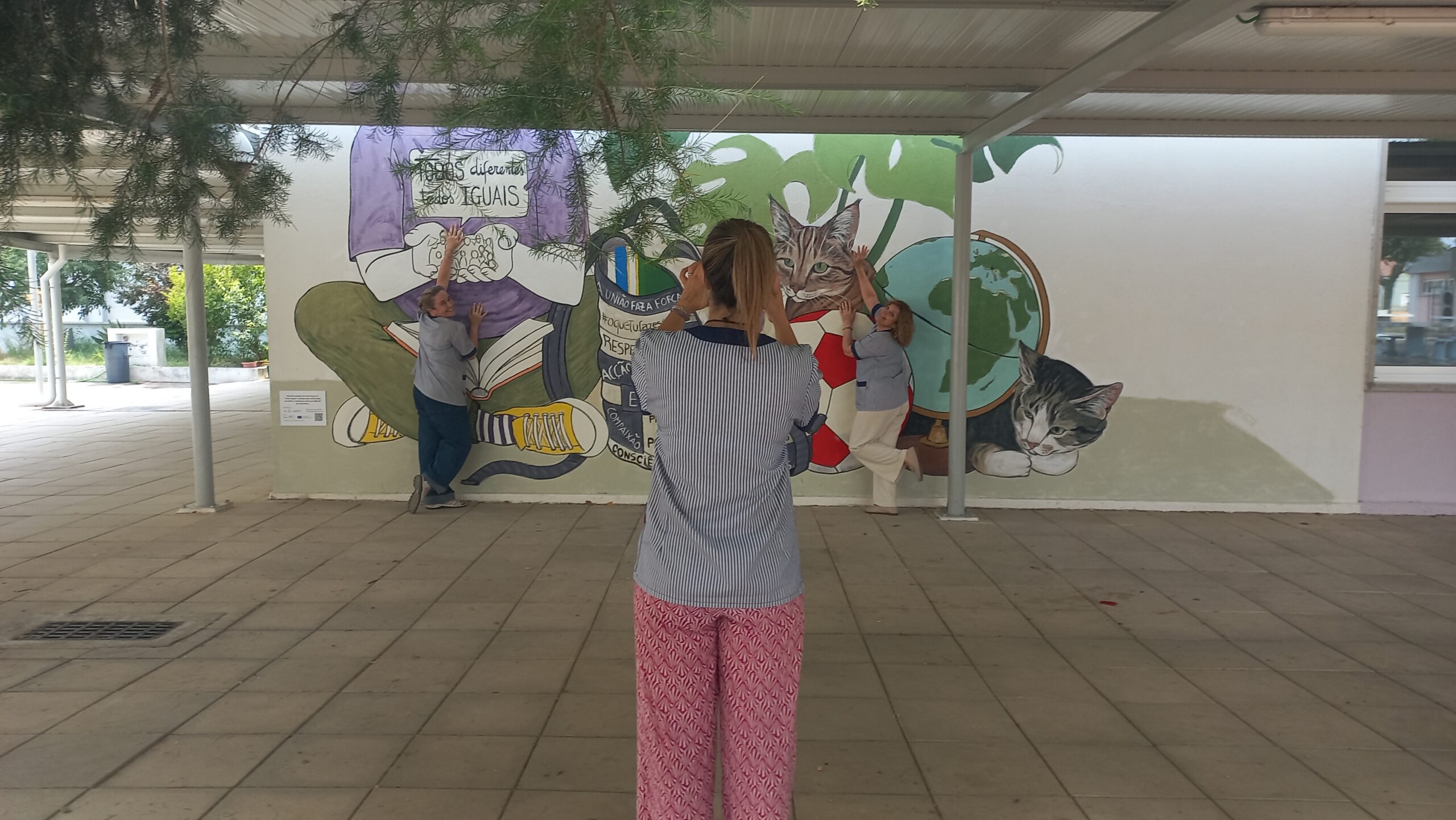
How can a Global Citizenship Education initiative on AI defuse social tensions and strengthen intercultural dialogue? In Pamplona, GET Spain successfully concluded the “Fake News Hunters” Youth Action: an initiative that empowered local youth to step up as agents of change, addressing social tensions and strengthening intercultural coexistence in their neighborhoods.

The yellow cover of the Global Geography of Social Challenges handbook

The Global Geography of Social Challenges – Handbook and Educational Atlas offers a dual solution: it serves as a ready-to-use toolkit for teachers and a lifelong method of reading the world for students. Designed primarily for geography classes, its essence is inherently interdisciplinary, making it a valuable asset for history, civic education, and science lessons alike.

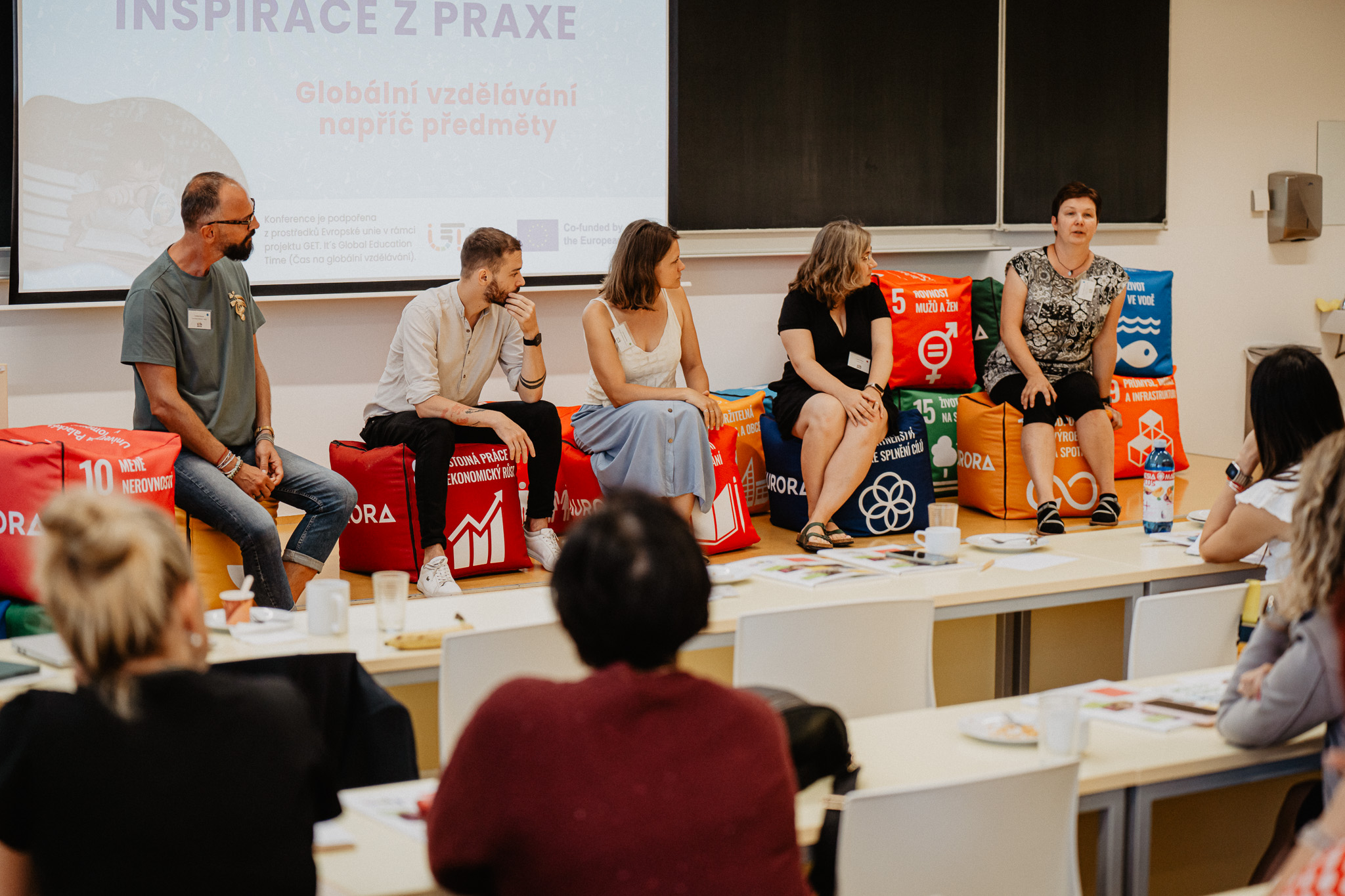
The final session of this year’s Research to Policy Webinar Series is taking place online on July 8, 2026, at 02:00 PM (CEST). Hosted annually by ANGEL in partnership with the Global Education Network Europe (GENE), this webinar series creates a shared space to bridge silos and connect researchers with policymakers. Registration is now open: secure your spot to participate in the discussion.

Newsletter

The project is co-funded by DEAR (Development Education and Awareness Raising) Programme of the European Commission.
This website was created and maintained with the financial support of the European Union. Its contents are the sole responsibility of the project partners and do not necessarily reflect the views of the European Union.